The year demonstrated that Nigeria's political stressors are now hybrid, combining internal institutional decay with new, complex external security partnerships. The path to 2027 will be shaped by how these dual pressures are managed.
- The integrity of the National Assembly was questioned over controversial tax reforms and a "re-gazetting" scandal.
- The People's Democratic Party fractured into warring factions, creating a significant vacuum in the opposition.
- A state of emergency in Rivers State triggered a landmark Supreme Court ruling on the distribution of federal power.
- Historic U.S. airstrikes in Sokoto, approved by Nigeria, sparked sovereignty and collateral damage debates.
- Mass defections to the ruling APC fueled fears of a slide toward a de facto one-party system.
- The African Democratic Congress repositioned itself as a "third force," attracting major political figures.
- The life sentence of IPOB leader Nnamdi Kanu intensified regional tensions in the South-East.
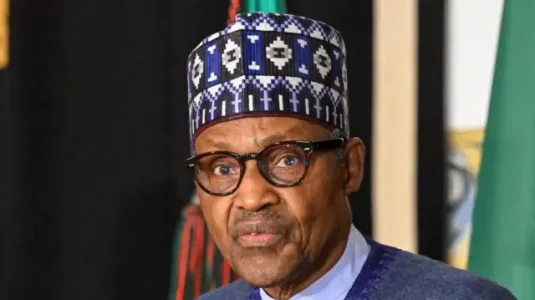
- The death of former President Muhammadu Buhari prompted a national reckoning on his legacy.
- Debris from the Sokoto strikes landed in Kwara, bringing the risks of foreign intervention home.
- The suspension of Senator Natasha Akpoti-Uduaghan highlighted challenges to dissent in the Senate.