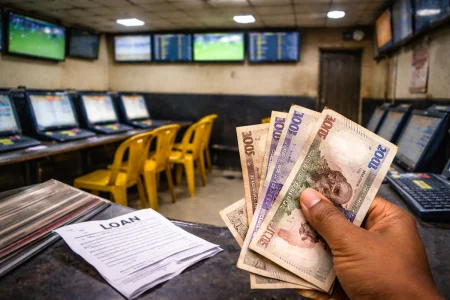
In Nigeria, betting conversations are everywhere. They happen in betting shops, on WhatsApp groups, on Telegram channels, and across social media timelines. Odds, slips, accumulators, and “sure wins” are discussed casually, often without people fully understanding what the terms actually mean.

That gap matters.
Betting is a form of structured uncertainty. In practice, that uncertainty often shows up as money meant for transport, food, school fees, or data quietly disappearing into bets. The words used in betting — by platforms, tipsters, and even friends — shape how people understand that risk. When language sounds confident or reassuring, betting can begin to feel safer, smarter, or more controlled than it really is.
Understanding betting terms does not make someone a better bettor. What it does is make expectations clearer — and reduces the chance of mistaking uncertainty for strategy.
Knowing the language does not remove risk. It simply makes the risk visible.
If betting no longer feels light, optional, or easy to step away from, that is worth paying attention to. Pausing, setting limits, or talking to someone you trust can matter more than understanding any term on a betting slip.
Betting is designed to feel like entertainment — even when the risk underneath remains real. Understanding the terms helps keep that difference clear, and keeps betting where it belongs: as leisure, not leverage.
That gap matters.
Betting is a form of structured uncertainty. In practice, that uncertainty often shows up as money meant for transport, food, school fees, or data quietly disappearing into bets. The words used in betting — by platforms, tipsters, and even friends — shape how people understand that risk. When language sounds confident or reassuring, betting can begin to feel safer, smarter, or more controlled than it really is.
Understanding betting terms does not make someone a better bettor. What it does is make expectations clearer — and reduces the chance of mistaking uncertainty for strategy.
Key betting terms Nigerians often hear
- Odds
The numerical expression of probability and payout. Higher odds usually mean lower chances, not higher opportunity. - Accumulator (Acca)
A single bet combining multiple outcomes. All must win. Risk increases with every added selection. - Stake
The amount of money placed on a bet. This is the only part fully under the bettor’s control. - Return / Potential Winnings
What could be paid out if everything goes right, not what is guaranteed. - Sure Odds / Sure Bet
A marketing phrase, not a guarantee. No publicly offered bet is truly “sure”. - Cash Out
An option to settle a bet early, often at a reduced value. Convenience, not protection. - Bonus / Free Bet
Promotional credits tied to conditions. They usually encourage more betting, not free money. - Bookmaker / House
The platform offering the bet. Odds are set to favour the house over time.
How language can hide risk
In an economy where financial pressure is real, language can quietly change how betting feels. Words like “sure”, “boost”, or “guaranteed return” tap into hope rather than probability. When the language softens risk, people are more likely to chase losses with money meant for other needs, bet under emotional stress rather than leisure, hide losses from family or friends, or feel shame when outcomes do not match expectations.Knowing the language does not remove risk. It simply makes the risk visible.
If betting no longer feels light, optional, or easy to step away from, that is worth paying attention to. Pausing, setting limits, or talking to someone you trust can matter more than understanding any term on a betting slip.
Betting is designed to feel like entertainment — even when the risk underneath remains real. Understanding the terms helps keep that difference clear, and keeps betting where it belongs: as leisure, not leverage.