The Digest:
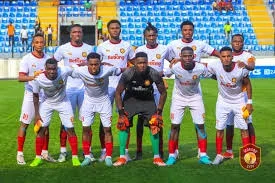
As FIFA prepares to rule Monday on Nigeria's eligibility protest against DR Congo, historical precedents show the governing body has consistently enforced strict sanctions for fielding ineligible players. Notable cases include: Nigeria itself forfeited a 2018 World Cup qualifier to Algeria (3-0) and was fined CHF 6,000 for fielding Abdullahi Shehu despite suspension. South Africa (2025) had a 2-0 win over Lesotho forfeited, points deducted, and was fined for Teboho Mokoena's ineligibility. Burkina Faso, Gabon, Ethiopia, and Togo all suffered match forfeitures during 2014 qualifiers for documentation or suspension violations. Solomon Islands (2016) and Timor-Leste (various) also faced sanctions. If Nigeria's allegation that six DR Congo players were ineligible is proven, FIFA could forfeit matches, award Nigeria victory, and reinstate the Super Eagles to the intercontinental playoff.
Key Points:
- The precedents demonstrate FIFA's consistent enforcement of eligibility rules through match forfeiture.
- Nigeria's case is strengthened by numerous identical rulings favouring protesting nations.
- Nigerian football gains hope, while DR Congo faces potential disqualification if allegations proven.
- This signals that eligibility violations carry serious consequences regardless of team stature.
- The timing, with Monday's verdict, makes these precedents highly relevant.
Historical FIFA rulings suggest Nigeria's protest has merit, but the governing body must be satisfied that ineligibility is conclusively proven before sanctioning DR Congo.
Sources: Vanguard, FIFA