Image Credit: Wolfgang Hasselmann
The Digest:
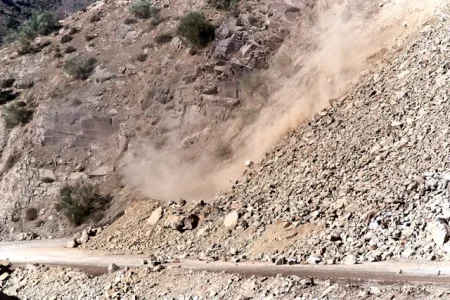
A catastrophic landslide at a coltan mine in Rubaya, eastern Democratic Republic of Congo, is feared to have killed at least 200 people. The disaster occurred in an area controlled by the M23 rebel group, which seized the mine in April 2024. The site, which produces 15-30% of the world's coltan, employed thousands of artisanal miners working in precarious conditions. According to a government statement and an M23-appointed official, a hillside collapse on Wednesday and Thursday buried numerous workers. Rescue efforts are severely hampered by poor infrastructure, disrupted communications, and the area's contested status, with authorities accusing the M23 and Rwanda of exploiting the mine illegally.
Key Points:
- The tragedy highlights the extreme human cost and perilous working conditions in the informal, conflict-driven mining sector that fuels global electronics.
- It underscores how armed conflict and militia control exacerbate environmental and industrial disasters by removing state oversight and safety regulations.
- The difficulty in confirming casualty figures reflects the information blackout and logistical chaos in regions under the control of non-state armed groups.
- The DRC government has directly linked the disaster to the "organised looting" of resources by the Rwanda-backed M23 militia, framing it as a consequence of occupation.
- The incident draws international attention to the complex nexus of conflict, resource exploitation, and humanitarian crisis in eastern DRC.
Sources: BBC News, Vanguard