The Digest:
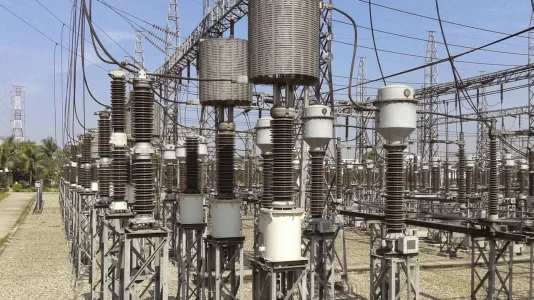
Nigeria's electricity sector continues to struggle with unreliable supply despite an estimated N7 trillion in federal government spending since the 2013 privatization. Major cities experienced nationwide blackouts twice in January 2026 due to grid collapses, highlighting persistent systemic failures. The sector has been plagued by issues, including obsolete infrastructure, gas supply shortages, liquidity crises, alleged corruption, and policy inconsistencies across multiple administrations. Experts point to an incomplete privatization model, where the government retains significant stakes in distribution companies and full ownership of the transmission network, as a fundamental flaw. This has created a reliance on continuous subsidies, with generation companies currently claiming over N4 trillion in debts. Despite numerous ministerial promises and interventions—including recent World Bank programs and plans to involve state governments in subsidy payments- the sector fails to deliver steady power, severely impacting households and businesses.
Key Points:
- The colossal financial investment has yielded minimal improvement in power availability for citizens and industries.
- An incomplete privatization structure has fostered dependency on government bailouts instead of market efficiency.
- Recurrent allegations of corruption against former ministers underscore deep-seated governance failures.
- Policy instability and a lack of political will to implement cost-reflective tariffs perpetuate a cycle of debt and underinvestment.
- The human and economic cost is immense, stifling economic growth, increasing operational costs for businesses, and diminishing the quality of life.
Sources: Daily Trust