
The Digest:
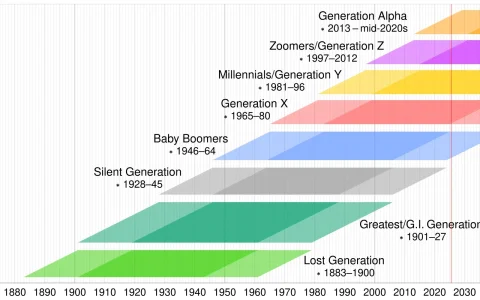
Neuroscientist Dr. Jared Cooney Horvath has presented research to a US Senate committee indicating that Generation Z (born ~1997–2010) is the first generation on record to score lower in cognitive measures than their parents. According to his testimony and analysis of data from 80 countries, this decline in attention, memory, reading, math, problem-solving, and overall IQ correlates with the widespread adoption of digital "Educational Technology" (EdTech) in schools. Horvath argued that the human brain is biologically wired to learn through deep study and human interaction, not from skimming summaries or short clips on screens. He noted that cognitive performance began to plateau or decline around 2010, coinciding with the integration of one-to-one device programs in classrooms.
Key Points:
- The findings challenge long-held assumptions about the benefits of digital learning tools in education.
- It suggests a potential long-term impact on workforce skills, innovation, and economic competitiveness.
- The research places responsibility on systemic educational choices rather than on individual students.
- It prompts a critical reevaluation of how technology is integrated into core learning curricula.
- The timing adds urgency to policy debates about screen time, tech bans in schools, and educational reform.
The research signals a potential societal inflection point, urging a re-examination of the relationship between technology use and fundamental cognitive development.
Sources: Daily Mail