The Digest:
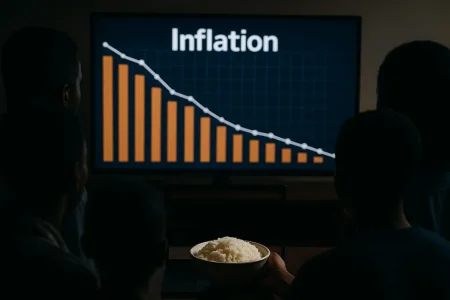
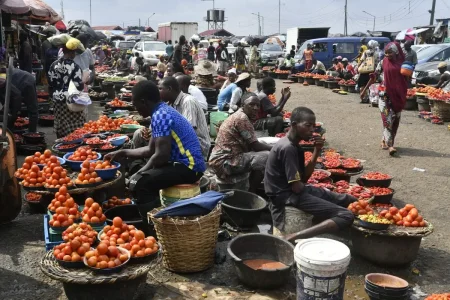
Nigerians face worsening hardship as food inflation climbed to 12.12% in February 2026, up from 8.89% in January, according to NBS data released Monday. The increase coincides with fuel prices soaring to as high as N1,330 per litre following Dangote Refinery's fourth petrol hike to N1,175 per litre, triggered by crude oil prices exceeding $100 per barrel amid the Iran-US-Israel war. While headline inflation eased marginally to 15.06%, economists warn the statistical decline offers no real relief as food prices and transportation costs continue rising.
Key Points:
- Food inflation directly erodes household purchasing power, pushing millions deeper into poverty.
- Fuel price hikes cascade through the economy, increasing production and transportation costs for all goods.
- The disconnect between marginal headline decline and surging food prices reveals structural economic distortions.
- Insecurity in farming regions and high energy costs continue disrupting agricultural production and supply chains.
- Experts warn that without addressing supply-side constraints, food inflation may persist regardless of monetary policy.
Policymakers must prioritise security in farming areas, agricultural infrastructure investment, and targeted energy support to ease food supply pressures while households brace for continued cost-of-living challenges.
Sources: Daily Post Nigeria, National Bureau of Statistics, Economic Associates