The Digest:
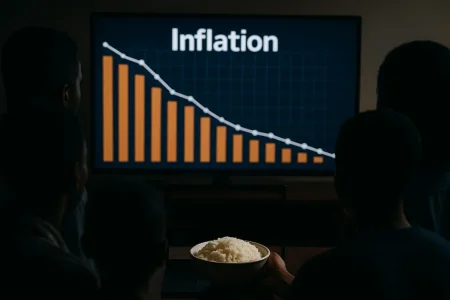
Ghana’s inflation rate fell to 3.8% year-on-year in January, marking the 13th consecutive month of decline and its lowest level since the Consumer Price Index was rebased in 2021. The sharp drop from December’s 5.4% was largely driven by slowing food prices. In contrast, Nigeria continues to grapple with double-digit inflation, which stood at 15.5% in December 2025, reflecting ongoing pressures from currency depreciation, high energy costs, and structural bottlenecks. While Ghana’s performance aligns with its central bank’s target, Nigeria’s central bank projects inflation will average about 12.94% in 2026, contingent on sustained reforms and improved supply conditions.
Key Points:
- Lower inflation in Ghana signals growing price stability, potentially boosting consumer confidence and economic planning.
- Nigeria’s persistently high inflation continues to strain household budgets and business operating costs.
- Divergent inflation paths highlight differences in monetary policy effectiveness and fiscal reforms across West Africa.
- Ghana’s progress follows IMF-backed adjustments and debt restructuring, while Nigeria faces deeper structural challenges.
- Comparative inflation rates influence investment decisions, regional economic perceptions, and policy benchmarking.
Sources: Daily Trust