
The Digest:
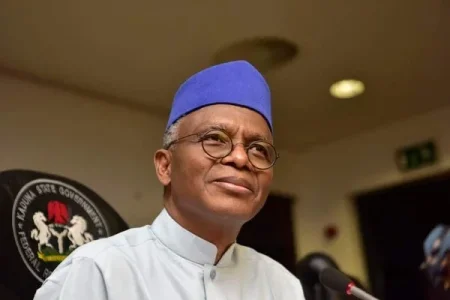
Former Kaduna State Governor Nasir el-Rufai has broken his silence on the ICPC investigation, explaining that his refusal to answer questions is an exercise of his constitutional right to silence, not an act of defiance. In two handwritten statements submitted to ICPC officers on February 19 and 20, 2026, while under caution and in the presence of his lawyer, el-Rufai maintained the probe is politically motivated. He argued that after nearly two years of investigation, the commission should present its findings before a judicial tribunal rather than continuing to question him. "I will make no further statement or respond to any question. I believe that after nearly two years of intensive investigation, the ICPC should present its findings to a judicial tribunal and not to me. I will respond to any allegations in a court of law only," he wrote. El-Rufai alleged his role as a leading member of the African Democratic Congress (ADC)—"the only surviving opposition party in Nigeria", is the real reason for the investigation. The ICPC had previously secured a 14-day remand order set to expire March 5.
Key Points
- El-Rufai's detailed statements publicly frame the investigation as political persecution.
- His insistence on court-only testimony challenges the ICPC to either charge him or desist.
- The reference to ADC membership explicitly links the probe to opposition politics.
- The expiration of the remand order on March 5 creates a deadline for the next legal move.
- His constitutional right to silence argument may complicate the anti-graft agency's investigation.
Sources: Daily Post, Vanguard

![[VIDEO] Reno Omokri Explains Why He Supports Seyi Tinubu's City Boy Movement](/data/attachments/229/229802-df3798d6888fd4e00328c0800c41bc33.jpg?hash=YItyB1YuXt)