
The Digest:
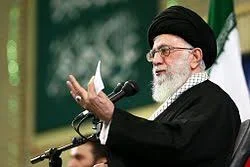
Iran has officially confirmed the death of Supreme Leader Ayatollah Ali Khamenei following massive US-Israeli strikes on Saturday. State media reported that the 86-year-old leader attained martyrdom alongside his daughter, son-in-law, and grandson. "The Supreme Leader of Iran Has Reached Martyrdom," state broadcaster IRIB announced Sunday, with affiliated outlets praising him as a "great scholar and mujahid" who sacrificed his life for Iran. The government has declared 40 days of national mourning. Khamenei, who held ultimate authority over all branches of government, military, and judiciary since 1989, had long defined Iran's adversarial relationship with the West. His death follows years of threats from US and Israeli officials, including recent statements by President Donald Trump urging Iranians to overthrow their government and promising to "annihilate" Iran's military capabilities.
Key Points:
- Khamenei's death removes the singular figure who shaped Iran's domestic and foreign policy for over three decades, creating a massive power vacuum.
- The confirmation of family members' deaths adds a deeply personal dimension to the national tragedy.
- The 40-day mourning period provides a window for internal consolidation but also for potential retaliation.
- The succession process will be critical in determining Iran's future trajectory and regional posture.
- The strikes achieving their stated objective of regime change now face the unpredictable reality of post-Khamenei Iran.
Sources: IRIB, Mehr News Agency, Official Statements