The Digest:
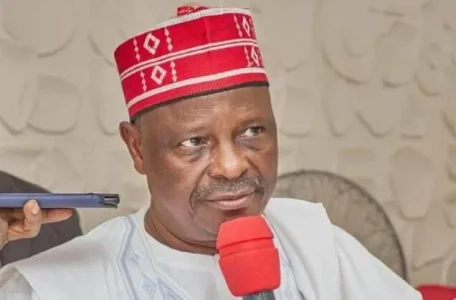
The Kwankwassiya movement and the New Nigeria Peoples Party (NNPP) have rejected proposed US sanctions against their leader, Senator Rabiu Musa Kwankwaso, describing the move as unfair, politically motivated, and based on selective judgment. The proposed visa ban and asset freeze are contained in the Nigeria Religious Freedom and Accountability Act of 2026, introduced by US Representative Riley Moore. The NNPP questioned why Kwankwaso is being singled out for alleged religious persecution when other northern governors who introduced Sharia law are not named. The party noted that Kwankwaso ran with a Christian running mate in 2023, maintained ties with Christian leaders in Kano, and pushed Boko Haram out of the state as governor. The Kwankwassiya movement said it received the news with shock and is studying the implications.
Key Points:
- The sanctions proposal risks damaging the reputation and international standing of a prominent opposition figure ahead of elections.
- It fuels narratives of external interference and selective targeting of Nigerian opposition leaders.
- Kwankwaso's political career and legacy face unprecedented scrutiny, while his supporters rally in defence of his record.
- The rejection highlights growing distrust of US legislative interventions framed around religious freedom.
- The timing, amid escalating political realignments, adds weight to allegations of a coordinated campaign against opposition figures.
Sources: Vanguard, NNPP Statement, Kwankwassiya Movement