The Digest:
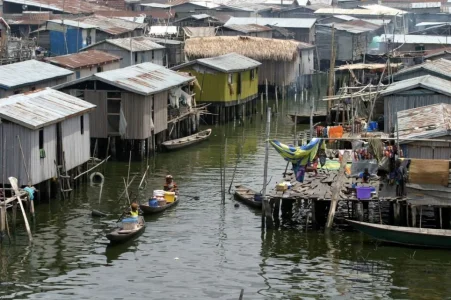
The ongoing demolition of structures in the historic Makoko waterfront community by the Lagos State Government has triggered a severe humanitarian crisis, leaving thousands homeless. Residents, including women, children, and the elderly, now sleep in canoes and under open skies, stripped of their homes and livelihoods tied to fishing and trading. The state government defends the action as a necessary safety measure against buildings under high-tension power lines, but residents and critics like former minister Oby Ezekwesili condemn the operation as inhumane and poorly executed, citing a lack of adequate notice, compensation, or resettlement plans. The Lagos State House of Assembly has backed the demolitions, further escalating tensions.
Key Points:
- The demolition has created an immediate survival crisis, with families facing hunger, exposure, and the loss of all possessions.
- The government’s stated safety rationale is contested by residents who claim many destroyed structures were far from power lines.
- The lack of a clear resettlement plan or humanitarian intervention highlights a critical gap in urban development policy and human rights protection.
- The operation has destroyed the socio-economic fabric of a historic community, severing generational livelihoods.
- The political backing of the action by state lawmakers intensifies the conflict and diminishes prospects for a negotiated solution.
The Makoko crisis represents a profound clash between urban regulatory ambitions and the fundamental right to shelter, leaving a vulnerable community in desperate limbo.
Sources: Daily Post Nigeria, Daily Trust