
The Digest:
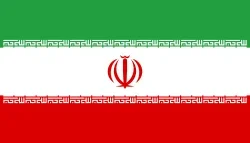
Mojtaba Khamenei, the 56-year-old son of slain Iranian Supreme Leader Ayatollah Ali Khamenei, has emerged as the leading candidate to succeed his father, according to multiple international media reports . The Assembly of Experts, the 88-member clerical body responsible for selecting Iran's next leader, has held virtual deliberations amid ongoing conflict, with the Islamic Revolutionary Guard Corps (IRGC) pushing for his appointment to ensure regime stability during crisis . Mojtaba, a hardliner with close ties to the IRGC, has operated in the shadows of his father's regime for years and was sanctioned by the United States in 2019 over allegations linked to his political influence . His potential succession signals a continuation of hardline rule, though some clerics reportedly fear it could make him a target for US and Israeli forces . Other candidates reportedly considered include moderate clerics Ali Reza Arafi and Hassan Khomeini, grandson of the revolution's founder .
Key Points:
- Mojtaba's appointment would mark the first hereditary succession in the Islamic Republic's history, establishing a de facto dynastic rule.
- His close IRGC ties suggest the security establishment will maintain or increase its grip on power .
- The rushed, irregular selection process, conducted virtually under fire, reflects the regime's desperation to project continuity amid crisis .
- Public backlash is anticipated from reformists and those who see the succession as illegitimate .
- His selection represents the "worst-case scenario" for the US, which had hoped for a more moderate figure to emerge .
Sources: The New York Times, NZ Herald, The Telegraph, Anadolu Ajansı, The National, Chosun Ilbo, Sing Tao Daily

![[VIDEO] Reno Omokri Explains Why He Supports Seyi Tinubu's City Boy Movement](/data/attachments/229/229802-df3798d6888fd4e00328c0800c41bc33.jpg?hash=YItyB1YuXt)