The Digest:
The Rural Electrification Agency (REA) is rolling out 1,350 mini solar grids and over one million solar home systems under the DARES project, backed by $750 million from the World Bank and development partners. The initiative targets underserved communities, small businesses, and essential services, aiming to power approximately 17.5 million Nigerians currently off the national grid. The project could potentially replace 280,000 polluting generators while creating green jobs. However, social media reactions are divided, some cheer the decentralized clean energy solution, while others question its scale for a population of over 223 million. Critics also call for prioritizing repairs to the national grid over new solar installations, and some users debate the capacity of the systems to power essential appliances like refrigerators.
Key Points
- The $750 million project will deploy 1,350 mini-grids and over 1 million solar home systems.
- Target: 17.5 million Nigerians currently without grid access.
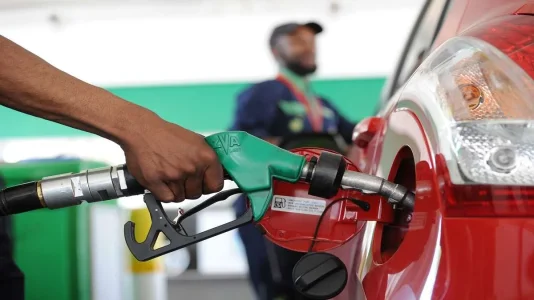
- Potential to replace 280,000 diesel/petrol generators, reducing emissions.
- Mixed reactions: praise for clean energy push, skepticism about scale and capacity.
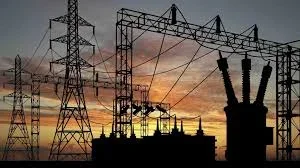
- Calls to fix the national grid alongside new solar initiatives.
Nigeria's ambitious solar push promises to light up 17.5 million lives and retire 280,000 generators, but as social media debates rage, the question remains whether this is a revolution or a drop in the ocean for a nation of 223 million.
Sources: VON, World Bank