The Digest:
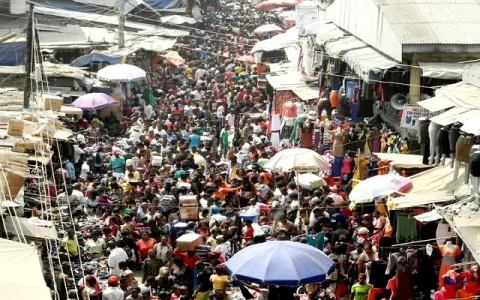
Traders at the Onitsha Main Market in Anambra State reopened for business on Monday, effectively breaking a long-standing sit-at-home order. The compliance followed a one-week shutdown imposed by Governor Chukwuma Soludo, who warned of further closures if traders refused to resume. While many traders expressed relief and cited government assurances of security as their reason for returning, some residents criticized the governor, urging him to focus instead on securing the release of detained IPOB leader Nnamdi Kanu.
Key Points
- The reopening signals a potential weakening of the enforced sit-at-home protests that have crippled commerce in the Southeast for years.
- It represents a significant test of state authority versus non-state influence, with the government using economic pressure to enforce compliance.
- For local traders, the resumption alleviates prolonged economic hardship, but many remain fearful of potential reprisals despite security promises.
- The divide in public reaction highlights the ongoing tension between economic survival and political solidarity in the region.
- The outcome sets a precedent for other Southeast states grappling with how to restore normalcy against entrenched civil disobedience campaigns.
While Monday's reopening marks a tactical victory for state authority, its sustainability depends on consistent security and addressing the underlying political grievances that fueled the protests.
Sources: The Cable, Vanguard, Premium Times