The Digest:
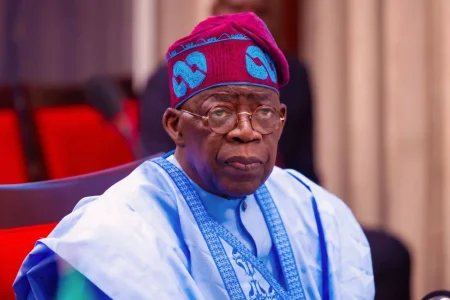
A review of official travel records shows President Bola Tinubu spent 22 days outside Nigeria in January 2026, visiting France, the United Arab Emirates, and Turkey. The frequent travel has drawn sharp criticism from opposition parties and civil society groups, who argue it reflects misplaced priorities during a period of severe domestic challenges, including insecurity, economic hardship, and infrastructure decay. Opposition figures, including Labour Party's Peter Obi and the PDP, have called for greater transparency and domestic focus, with Obi alleging the president returns primarily "to welcome defectors." In defense, APC National Chairman Nentawe Yilwatda described the trips as a "sacrifice" for attracting investment and leveraging the president's global network.
Key Points:
- The travel data has catalysed a heated political debate about presidential presence, accountability, and the tangible returns on international diplomacy.
- Critics frame the trips as excessive and potentially diversionary, arguing that many engagements could be handled by envoys while the president addresses crises at home.
- Supporters counter that the president's international engagement is strategic and necessary for securing investment, partnerships, and addressing transnational issues like security.
- The controversy highlights a growing public demand for transparency regarding the costs and measurable outcomes of high-level foreign engagements.
- The discourse underscores a fundamental tension between the demands of global statecraft and the urgent need for hands-on leadership in tackling Nigeria's internal problems.
Sources: Daily Trust