
The Digest:
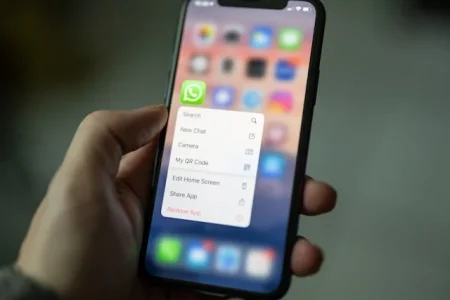
Russia has officially blocked the popular messaging service WhatsApp, citing the platform's failure to comply with local legislation. Kremlin spokesman Dmitry Peskov confirmed the decision on Thursday, urging the platform's approximately 100 million Russian users to switch to Max, a domestic messaging service developed as a state-backed alternative. Unlike WhatsApp, Max lacks end-to-end encryption, which activists have condemned as a potential tool for government surveillance. WhatsApp, owned by US-based Meta, stated it believes Russia is attempting to fully block the service to force users onto Max, adding: "We continue to do everything we can to keep users connected." Critics and rights campaigners describe the restrictions as a transparent effort by the Kremlin to tighten control and surveillance over internet use in Russia. The move follows similar "phased restrictions" announced against Telegram earlier this week.
Key Points:
- The ban severs communication access for millions of ordinary Russians reliant on WhatsApp for personal and professional contact.
- It represents another escalation in Russia's campaign to consolidate control over digital infrastructure and eliminate foreign encryption.
- Russian citizens lose a secure, globally connected platform, while the Kremlin gains surveillance access through the unencrypted domestic alternative.
- The coordinated targeting of both WhatsApp and Telegram signals a comprehensive shift toward state-managed internet services.
- The timing, amid ongoing geopolitical tensions, reinforces the weaponisation of digital infrastructure for domestic control.
Russian users now face a stark choice between complying with the state-mandated switch to a surveillance-enabled platform or navigating restrictions to access blocked services.
Sources: AFP