The Digest:
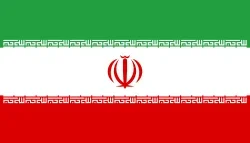
Global reactions are pouring in as the United States and Israel launch coordinated military strikes on Iran, triggering Iranian retaliatory missile attacks on US bases across Gulf states including Qatar, UAE, Bahrain, and Kuwait. Gulf nations directly affected have issued strong condemnations. Qatar described the attacks as a "clear violation of national sovereignty," Bahrain confirmed strikes on the US Navy's 5th Fleet headquarters, and Saudi Arabia warned of "serious consequences." The European Union urged maximum restraint and respect for international law, while France called for an emergency UN Security Council meeting. Oman expressed sadness that diplomacy failed, Norway questioned the legality of "preventive strikes," and Pakistan urged immediate de-escalation. Iran's foreign ministry condemned the US-Israeli attacks as violations of the UN Charter and vowed a strong response, with officials declaring all American and Israeli assets in the region now legitimate targets.
Key Points
- Gulf states find themselves unwillingly drawn into the conflict as Iranian retaliatory strikes hit their territories hosting US bases.
- The coordinated nature of the US-Israeli operation, planned over months, suggests a deliberate strategy of escalation.
- Iran's vow to target all US and Israeli assets in the region dramatically expands the scope of potential conflict.
- The split in international reactions—some condemning Iran, others questioning US/Israel's actions—reflects deep geopolitical divisions.
- Diplomatic efforts, including ongoing nuclear talks, have been completely overtaken by military action.
The world watches with alarm as the Middle East plunges into open conflict, with Gulf states caught in the crossfire and global powers divided in their response to the escalating crisis.
Sources: Al Jazeera, Reuters, Official Government Statements