The Digest:
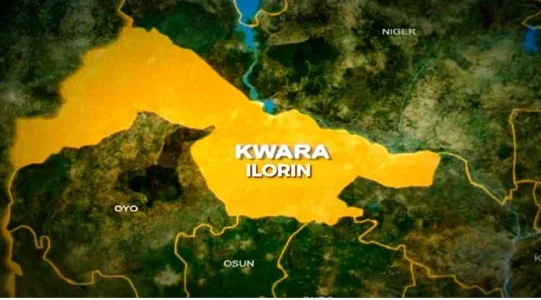
Survivors of the deadly terrorist attack on Woro and Nuku communities in Kaiama, Kwara State, have disclosed that most of their assailants were teenagers between 15 and 18 years old, led by slightly older commanders. In harrowing accounts, the wounded victims, now receiving treatment in Ilorin, described how the young attackers carried out the massacre, with older individuals primarily setting homes ablaze. The survivors, who include farmers and miners from various parts of Nigeria, recounted being shot at close range, houses being burned with people trapped inside, and the abduction of approximately 75 women and children. They also reported that the attackers had previously sent a letter requesting to preach in the community, which was reported to security agencies. Soldiers were deployed briefly but withdrew three days before the assault. The survivors emphasized the attackers' sheer brutality and called for the government to clear the nearby forests to eliminate their hideouts.
Key Points:
- The youth of the perpetrators points to a disturbing trend of child recruitment and radicalization by terrorist groups.
- The detailed survivor testimonies provide a chilling, ground-level perspective of the attack's coordination and cruelty.
- The prior warning and temporary security deployment that preceded the attack raise serious questions about intelligence and response protocols.
- The displacement of multi-ethnic settlers highlights how the violence affects Nigerians from across the country.
- The demand for forest clearing underscores a community belief that territorial denial is key to security.
The survivors' testimonies not only document an atrocity but also reveal a critical security threat: the use of radicalized youth as primary combatants, demanding a strategic response beyond conventional engagement.
Sources: Survivor Interviews, Nigerian Tribune