The Digest:
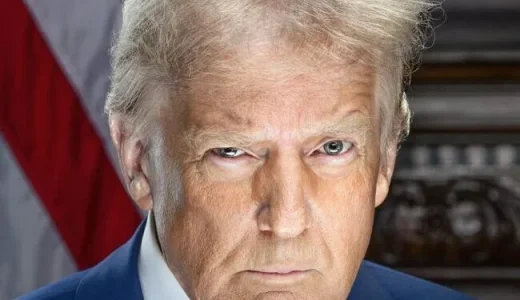
President Donald Trump has announced that Iran's leadership has agreed to resume negotiations with the United States following a wave of devastating US-Israeli strikes that killed Iran's Supreme Leader Ayatollah Ali Khamenei and other top officials. In a telephone interview with The Atlantic, Trump stated, "They want to talk, and I have agreed to talk." He added that Iranian officials should have pursued negotiations earlier, noting that "most of those people are gone" as a result of the military operation. The strikes also killed Khamenei's daughter, grandchild, daughter-in-law, and son-in-law, along with armed forces chief of staff Abdolrahim Mousavi. Iran is now under transitional leadership pending selection of a successor. Trump did not disclose who is overseeing the alleged renewed outreach. The conflict has resulted in over 200 deaths in Iran and at least nine in Israel from retaliatory attacks.
Key Points:
- The offer to talk comes only after the elimination of Iran's top leadership, raising questions about power dynamics and leverage.
- Trump's reference to dead negotiators underscores the human cost of the military campaign preceding diplomacy.
- The timing suggests a potential strategic shift from military confrontation to diplomatic engagement.
- The lack of clarity about who is negotiating on Iran's behalf reflects the uncertainty of the transitional period.
- The admission that "they played too cute" frames the strikes as a response to Iranian negotiating tactics.
Sources: The Atlantic Interview