The Digest:
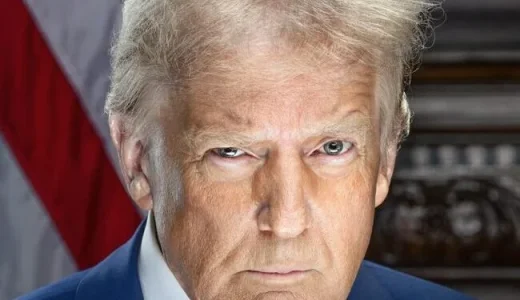
United States President Donald Trump has announced a significant increase in tariffs on imports from South Korea, raising them from 15% to 25% on a range of goods, including automobiles, lumber, and pharmaceuticals. Trump announced via social media, accusing Seoul of failing to swiftly approve the terms of a trade deal agreed upon last October. South Korea's government stated it had not received official notification and called for urgent talks, with its Industry Minister planning to travel to Washington. The move caused initial volatility in the South Korean stock market.
Key Points:
- The tariff hike represents a major escalation in trade tensions and a test of the bilateral deal, which included a substantial South Korean investment pledge in the US.
- It underscores Trump's continued use of tariffs as a primary foreign policy and negotiation tool during his second term.
- The action directly pressures South Korean lawmakers to accelerate their domestic approval process for the pending agreement.
- The increased cost will be borne by US importing companies, potentially leading to higher prices for American consumers or reduced trade volumes.
- The move highlights the fragility of international trade agreements under an "America First" policy framework that prioritizes unilateral action.
Sources: BBC, Nigerian Tribune