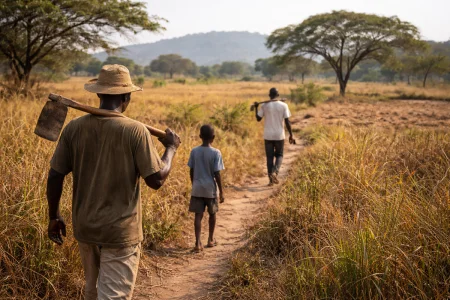
Snake bites in Nigeria are often described as a rural problem, but that distinction is becoming less clear. As cities expand, housing developments, roads, and drainage projects increasingly encroach on bushland and wetlands that once served as natural habitats.
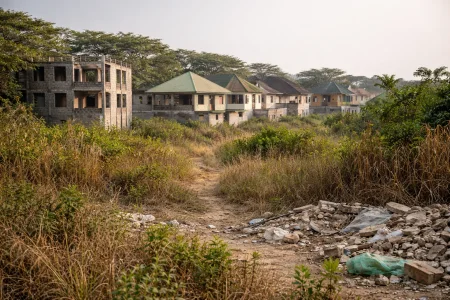
This process does not make snakes more aggressive; rather, it displaces them. Snakes follow rodents, water sources, and shaded areas, which are now commonly found in peri-urban compounds, unfinished buildings, and construction sites.
As a result, snake encounters are increasingly reported along the peripheries of expanding towns and cities, particularly during hot or rainy seasons. In these settings, risk is shaped less by occupation and more by land-use change and environmental management.
For urban residents, snakebite risk is therefore linked not to venturing into the bush, but to how neighbourhoods expand and how shared spaces are maintained.
This process does not make snakes more aggressive; rather, it displaces them. Snakes follow rodents, water sources, and shaded areas, which are now commonly found in peri-urban compounds, unfinished buildings, and construction sites.
As a result, snake encounters are increasingly reported along the peripheries of expanding towns and cities, particularly during hot or rainy seasons. In these settings, risk is shaped less by occupation and more by land-use change and environmental management.
For urban residents, snakebite risk is therefore linked not to venturing into the bush, but to how neighbourhoods expand and how shared spaces are maintained.