The Digest:
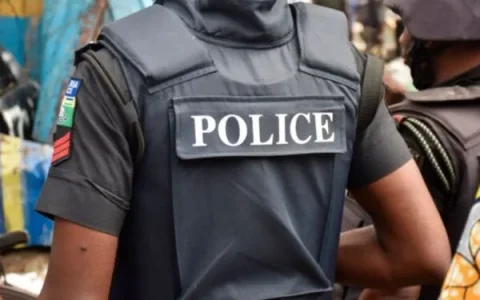
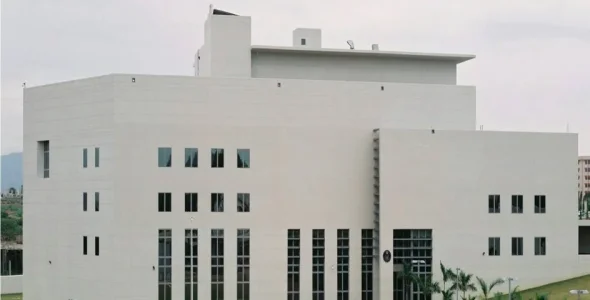
The United States embassy in Abuja has cancelled all visa appointments scheduled for Wednesday, March 4, citing a "potential for protests" in the nation's capital. In a statement on X, the embassy announced it would contact applicants on how to reschedule. The precautionary measure follows demonstrations by members of the Islamic Movement of Nigeria (IMN), also known as Shi'ites, across multiple states including Lagos, Kano, Niger, Sokoto, Gombe, Kaduna, Bauchi, and Yobe. Protesters condemned the recent US-Israeli strikes on Iran that killed Supreme Leader Ayatollah Ali Khamenei, waving Iranian flags and displaying portraits of the slain leader while expressing solidarity with Iran. Inspector-General of Police Tunji Disu has ordered commissioners of police nationwide to heighten security measures in response to the developments.
Key Points
- The embassy's proactive cancellation reflects heightened security sensitivity following multi-state protests.
- The Shi'ite demonstrations link local Nigerian events to the escalating Middle East conflict.
- The nationwide police alert indicates authorities are taking the protest movement seriously.
- The cancellation disrupts visa services for applicants, highlighting the practical impact of geopolitical tensions.
- The incident demonstrates how international conflicts can have immediate, local consequences in NigeriaThe US embassy's cancellation of visa services in Abuja underscores how the Middle East conflict's shockwaves have reached Nigeria, with Shi'ite protests forcing diplomatic missions to prioritize security over routine operations.
Sources: US Embassy Statement, Police Directives