The Digest:
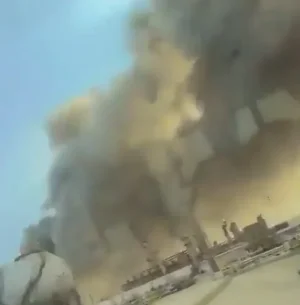
Saudi Arabia's largest oil refinery, the Saudi Aramco facility in Ras Tanura, has gone up in flames after being hit by an Iranian drone strike on Monday. The refinery, which processes approximately 550,000 barrels per day, was forced to shut down operations as a precautionary measure amid escalating regional tensions. Saudi Arabia's defense ministry confirmed that drones launched from Iran targeted the facility, though an official statement claimed they were intercepted before causing major damage. In a related development, Qatar has reportedly halted liquefied natural gas (LNG) production, accounting for nearly 20 percent of global supply, raising fresh concerns about energy market disruptions. The attacks are part of Iran's retaliatory campaign following joint US-Israel strikes that killed Supreme Leader Ayatollah Ali Khamenei and several senior officials. Multiple Middle Eastern countries have witnessed escalating hostilities since Saturday, with fears growing over a broader regional conflict.
Key Points:
- The strike on the world's largest oil refinery directly threatens global energy infrastructure and supplies.
- The 550,000 bpd capacity represents a significant portion of Saudi production, with any sustained outage impacting markets.
- Qatar's LNG halt compounds energy market fears, potentially triggering price spikes.
- The conflicting accounts—damage confirmed by fire versus official denial of major damage—highlight information warfare.
- The escalation demonstrates Iran's capability and willingness to strike critical infrastructure in Gulf states.
Sources: Saudi Press Agency, Reuters, Industry Sources