Snake bites in Nigeria do not happen at random. They follow clear, repeatable patterns shaped by where people live, how they work, and the environments they move through every day. Looking closely at who is most affected helps explain why snakebite remains a persistent health issue — and why it should be understood as a structural risk rather than a personal failure.
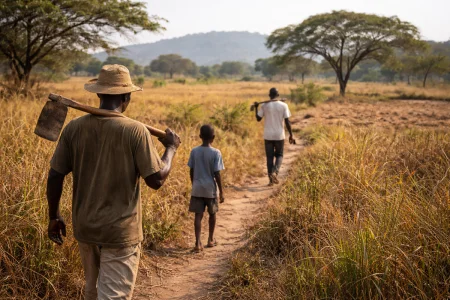
Studies from Nigeria consistently show that the highest burden of snake bites occurs in savanna regions, particularly across parts of the Benue Valley and north-central Nigeria. In these areas, incidence has been estimated at around 497 bites per 100,000 people each year, among the highest documented rates in the country.
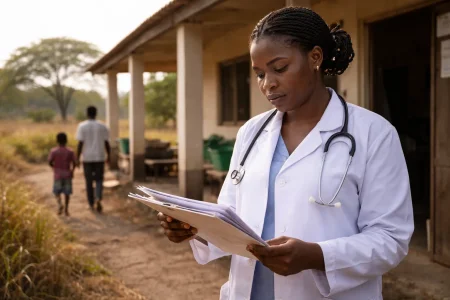
Hospitals in high-incidence zones feel this pressure directly. During peak farming and rainy seasons, snakebite patients can account for more than 10% of admissions in some rural facilities, placing additional strain on already limited resources. This concentration indicates that snakebite is not evenly distributed across Nigeria but is clustered where environmental and economic factors overlap.
Other medically important species include puff adders and spitting cobras, but the dominance of the carpet viper helps explain why certain regions carry a much heavier burden than others. Risk, in this sense, is shaped as much by species distribution as by human behaviour.
These patterns highlight that exposure is tied to daily life and livelihoods, not carelessness. People are bitten while doing necessary work or routine movement, not while taking exceptional risks.
Understanding who is most at risk makes it clear that prevention and treatment efforts must focus on settings and systems rather than on blaming behaviour. Snakebite is best understood as a predictable outcome of the ways in which people and nature share space.
Studies from Nigeria consistently show that the highest burden of snake bites occurs in savanna regions, particularly across parts of the Benue Valley and north-central Nigeria. In these areas, incidence has been estimated at around 497 bites per 100,000 people each year, among the highest documented rates in the country.
Where risk is highest
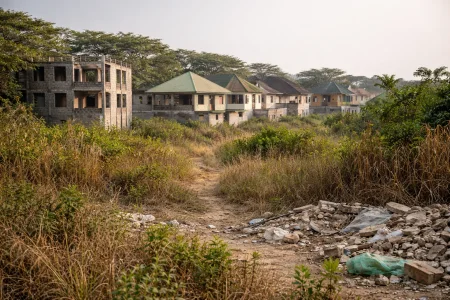
Savanna landscapes combine open farmland, tall grasses, and seasonal flooding — conditions that suit both snakes and agricultural activity. As farming expands into bush areas and settlements grow outward, contact between people and snakes becomes more frequent.Hospitals in high-incidence zones feel this pressure directly. During peak farming and rainy seasons, snakebite patients can account for more than 10% of admissions in some rural facilities, placing additional strain on already limited resources. This concentration indicates that snakebite is not evenly distributed across Nigeria but is clustered where environmental and economic factors overlap.
Which snakes cause the most severe bites
Although Nigeria is home to dozens of snake species, a small number of these species account for most serious injuries and deaths. Research from affected regions indicates that the West African carpet viper alone accounts for roughly two-thirds to three-quarters of severe snakebite cases in some savanna communities.Other medically important species include puff adders and spitting cobras, but the dominance of the carpet viper helps explain why certain regions carry a much heavier burden than others. Risk, in this sense, is shaped as much by species distribution as by human behaviour.
Who is most affected?
Snakebite data from Nigeria reveal consistent demographic patterns. Adult men make up a large proportion of victims, largely because of their involvement in farming, herding, and long-distance walking. At the same time, children account for nearly one-third of snakebite victims, often because they live and play in the same outdoor environments where snakes are active.These patterns highlight that exposure is tied to daily life and livelihoods, not carelessness. People are bitten while doing necessary work or routine movement, not while taking exceptional risks.
So what does this tell us?
Snakebite in Nigeria follows land use, labour, and habitat, not chance. It focuses on where people rely on outdoor work and where health services are most distant. Framing snakebite this way matters because it shifts the conversation from individual decisions to environmental and occupational realities.Understanding who is most at risk makes it clear that prevention and treatment efforts must focus on settings and systems rather than on blaming behaviour. Snakebite is best understood as a predictable outcome of the ways in which people and nature share space.