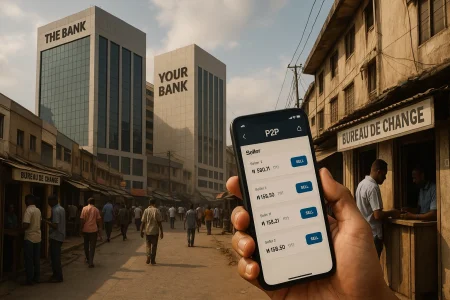
In Nigeria today, betting sits in a complicated place. It is advertised as fun, discussed as a strategy, and sometimes treated as an opportunity. For many young Nigerians facing a tight job market and rising living costs, betting can start to feel like more than just entertainment. It can begin to look like empowerment.

That shift matters.
Entertainment is about enjoyment, limits, and choice. Empowerment is about control, stability, and long-term improvement. Betting platforms are built for the first, but they are often spoken about as if they offer the second.
Across Nigeria, betting is woven into everyday life. Shops sit near campuses and bus stops. Odds circulate on WhatsApp groups. Screenshots of wins appear on social media timelines. In this environment, it is easy for betting to quietly change meaning, from a weekend activity into something people emotionally rely on.
The problem is not betting itself. The problem is expectation.
But betting does not offer leverage. It offers uncertainty packaged as possibility.
Entertainment has a healthy place in Nigerian life. Football banter, weekend excitement, friendly competition, and shared moments all matter. Betting can sit comfortably inside that space when it is treated as spending for enjoyment, not effort for advancement.
Empowerment, on the other hand, comes from things that grow with consistency: skills, education, networks, work, and time. These are slow, often frustrating, and rarely dramatic. They also do not come with screenshots.
The danger is not that Nigerians bet. The danger is when betting quietly takes on the emotional role that income, planning, or opportunity should play. At that point, the game stops being light, even if it still looks casual on the surface.
Seeing betting clearly for what it is does not remove fun from it. It simply puts it back in its proper place.
That shift matters.
Entertainment is about enjoyment, limits, and choice. Empowerment is about control, stability, and long-term improvement. Betting platforms are built for the first, but they are often spoken about as if they offer the second.
Across Nigeria, betting is woven into everyday life. Shops sit near campuses and bus stops. Odds circulate on WhatsApp groups. Screenshots of wins appear on social media timelines. In this environment, it is easy for betting to quietly change meaning, from a weekend activity into something people emotionally rely on.
The problem is not betting itself. The problem is expectation.
What this situation really reveals
- Betting thrives in Nigeria partly because uncertainty is everywhere
- When income feels unstable, “one good win” becomes emotionally powerful
- Social media amplifies rare wins while hiding repeated losses
- Betting language increasingly borrows from hustle and investment culture
- The line between fun and financial hope often blurs without notice
- Betting companies profit from volume, not from individual success
- Consistency benefits the house, not the player
- Entertainment becomes risky when it carries emotional pressure
- Empowerment cannot depend on outcomes you do not control
But betting does not offer leverage. It offers uncertainty packaged as possibility.
Entertainment has a healthy place in Nigerian life. Football banter, weekend excitement, friendly competition, and shared moments all matter. Betting can sit comfortably inside that space when it is treated as spending for enjoyment, not effort for advancement.
Empowerment, on the other hand, comes from things that grow with consistency: skills, education, networks, work, and time. These are slow, often frustrating, and rarely dramatic. They also do not come with screenshots.
The danger is not that Nigerians bet. The danger is when betting quietly takes on the emotional role that income, planning, or opportunity should play. At that point, the game stops being light, even if it still looks casual on the surface.
Seeing betting clearly for what it is does not remove fun from it. It simply puts it back in its proper place.