The Digest:
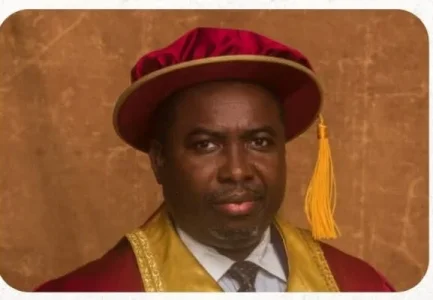
The Supreme Council for Sharia in Nigeria (SCSN) has declared it will not recognize elections conducted under the leadership of INEC Chairman Prof. Joash Amupitan, demanding his removal and prosecution. The demand, centered on a 2020 legal brief Amupitan authored alleging genocide against Christians, has ignited a contentious debate. While groups like the Muslim Rights Concern (MURIC) support the call, the Christian Association of Nigeria (Northern Chapter) and the Middle Belt Youth Forum have rejected it, accusing the SCSN of injecting religious bias and plotting to undermine the 2027 elections.
Key Points:
- The demand directly challenges the perceived neutrality of Nigeria's chief electoral umpire two years before a general election, risking public trust in the process.
- It elevates a historical legal opinion into a live political and religious fault line, potentially polarizing the electorate along sectarian lines.
- It places President Bola Tinubu's administration under pressure to either defend its appointee or accede to a demand framed as a religious imperative.
- The situation tests the resilience of Nigeria's democratic institutions against pressure from powerful non-state socio-religious bodies.
- The timing strategically shapes the narrative and battle lines for the 2027 electoral cycle, making electoral commission leadership a pre-election controversy.
This confrontation sets a tense precedent for the integrity and perceived impartiality of the electoral process long before the first ballot is cast.
Sources: Daily Post, Daily Trust