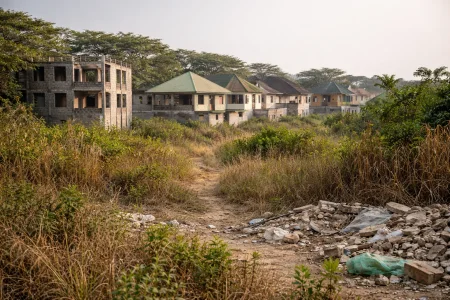
Snake bites in Nigeria do not all lead to the same outcomes. Some people recover quickly with minimal complications, while others develop severe illness or die. This wide variation is often misinterpreted as a reflection of venom potency or individual response. In reality, outcomes are shaped far more by access, systems, and timing than by the bite itself.
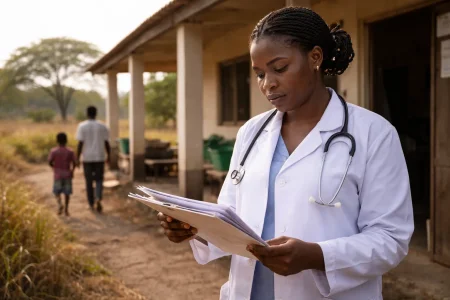
Medical and public health data from Nigeria show a clear pattern: when effective care is available and reached early, survival is high. When it is delayed, unavailable, or unaffordable, risk rises sharply. Understanding this gap helps explain why snakebite remains a serious but uneven health burden.
This contrast highlights a central truth: snakebite is highly survivable under the right conditions. The challenge is that those conditions are not evenly distributed. Many bites occur far from facilities equipped to manage envenoming, turning distance into a decisive factor.
These delays are rarely about hesitation. They reflect geography, cost, and infrastructure — realities that shape many health emergencies in Nigeria, not snakebite alone.
Clinical data from Nigeria show that the risk of death more than doubles when patients must buy antivenom on the open market rather than receiving it directly from the hospital. Cost, supply chains, and distribution strategies, therefore, play a critical role in survival.
Supportive care — managing breathing, bleeding, shock, and infection — is as important as antivenom itself. When staffing and resources are stretched, complications become more difficult to manage, thereby widening the gap between best-case and worst-case outcomes.
Viewing snakebite through this lens shifts attention from individual circumstances to health system readiness. Reducing deaths and disability depends less on changing behaviour and more on strengthening access, supply, and care pathways — the same foundations that improve outcomes across many medical emergencies.
Medical and public health data from Nigeria show a clear pattern: when effective care is available and reached early, survival is high. When it is delayed, unavailable, or unaffordable, risk rises sharply. Understanding this gap helps explain why snakebite remains a serious but uneven health burden.
Access to care matters more than venom
In parts of Nigeria’s savanna, studies suggest that 10–20% of untreated snakebite victims may die. By contrast, data from specialist treatment centres show in-hospital mortality as low as 1–2% when patients receive timely antivenom and supportive care.This contrast highlights a central truth: snakebite is highly survivable under the right conditions. The challenge is that those conditions are not evenly distributed. Many bites occur far from facilities equipped to manage envenoming, turning distance into a decisive factor.
Distance, delays, and transport
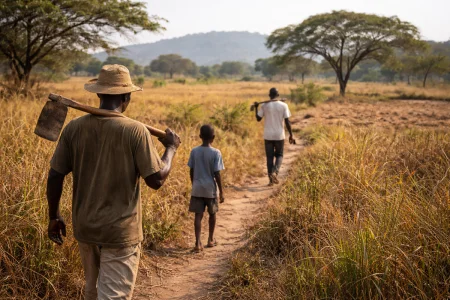
Reaching care is often the first barrier. Victims in rural or peri-urban areas may need to travel long distances on poor roads, sometimes relying on motorcycles or informal transport. Studies of frontline clinicians indicate that more than half report that delays in patients' arrival at health facilities are a major contributor to poor outcomes.These delays are rarely about hesitation. They reflect geography, cost, and infrastructure — realities that shape many health emergencies in Nigeria, not snakebite alone.
Antivenom availability and affordability
Antivenom is the only specific treatment for systemic snakebite envenoming, but it is not uniformly available. Some facilities, especially in high-risk rural areas, lack consistent supplies. Others require patients to purchase antivenom privately.Clinical data from Nigeria show that the risk of death more than doubles when patients must buy antivenom on the open market rather than receiving it directly from the hospital. Cost, supply chains, and distribution strategies, therefore, play a critical role in survival.
Health system capacity and training
Even when patients reach a facility, outcomes depend on the facility's capabilities. Surveys of Nigerian health workers report widespread challenges, including limited equipment, inadequate infrastructure, and gaps in training or clinical guidelines for snakebite management.Supportive care — managing breathing, bleeding, shock, and infection — is as important as antivenom itself. When staffing and resources are stretched, complications become more difficult to manage, thereby widening the gap between best-case and worst-case outcomes.
So what explains the variation?
Snakebite outcomes in Nigeria are structurally determined. They reflect the availability of antivenom, the distance patients must travel, the facilities' equipment, and the extent of health workers' support. Venom matters, but systems matter more.Viewing snakebite through this lens shifts attention from individual circumstances to health system readiness. Reducing deaths and disability depends less on changing behaviour and more on strengthening access, supply, and care pathways — the same foundations that improve outcomes across many medical emergencies.